Search
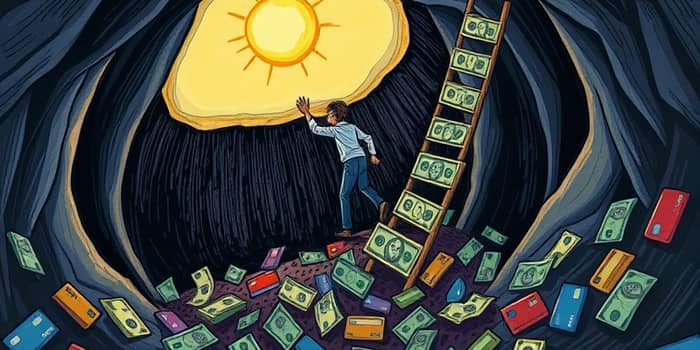
In today's economy, credit card debt has become a pervasive challenge, with millions feeling trapped under its weight.
The statistics are staggering: total U.S. credit card debt exceeded over $1.17 trillion in early 2026, a figure that highlights the urgency for effective solutions.
Many rely on balance transfers as a quick fix, but true escape requires a deeper, more holistic approach to financial health.
This article is your guide to moving beyond temporary fixes, offering practical strategies that inspire lasting change.
We'll explore the current debt landscape, uncover root causes, and dive into actionable methods to help you break free.
By embracing these steps, you can transform your financial journey from one of stress to one of empowerment and hope.
Credit card debt is not just a number; it's a growing burden affecting households nationwide.
In 2026, projections show debt reaching $1.18 trillion by year-end, with a modest growth rate signaling ongoing pressures.
The average debt per cardholder with unpaid balances stands at $6,730 in 2024, rising to $7,886 in 2025.
This increase reflects broader economic trends, such as inflation at 2.45% and unemployment projected to hit 4.5%.
Delinquency rates, while stable at around 3.6% in 2024, underscore the risks for those struggling to keep up.
Key statistics reveal deeper insights into the debt crisis:
These numbers paint a vivid picture of a system where many are stuck, but understanding this is the first step toward change.
Debt often stems from unexpected life events or daily necessities, not frivolous spending.
A Bankrate survey identifies the primary causes, showing that emergencies and routine costs dominate.
Here are the main drivers behind credit card debt:
This breakdown highlights that debt is often a response to real-life challenges, not poor choices alone.
Recognizing these causes can help you address them proactively in your payoff plan.
Debt carries a heavy emotional toll, affecting confidence and mental well-being.
Many feel overwhelmed, with surveys revealing mixed feelings about escape.
Key insights into consumer sentiment include:
These emotions underscore the need for motivational strategies alongside financial ones.
By fostering a positive mindset, you can build resilience and stay committed to your goals.
Moving beyond balance transfers involves a multifaceted approach tailored to your unique situation.
These strategies focus on sustainable habits, cost-cutting, and income growth.
Start by assessing all your debts and creating a clear plan.
Always pay minimums on time to protect your credit score and avoid penalties.
Two popular methods offer different paths to debt freedom, each with its strengths.
Choose based on your personality: if you value saving on interest, go with avalanche; if you need psychological wins, snowball might be better.
After clearing one debt, roll the full payment to the next, maintaining momentum.
A solid budget is the foundation of any debt payoff plan.
Begin by inventorying all debts and creating a bare-bones budget focused on essentials.
Essential steps include:
These small changes can free up significant funds to accelerate your payoff journey.
Increasing your income, even temporarily, can provide a powerful boost to debt reduction.
Explore side gigs or extra work to generate additional cash flow.
Practical ideas include:
Every extra dollar earned can be directed toward high-interest debt first, speeding up your progress.
Beyond basic methods, several tools can enhance your debt payoff strategy.
Consider these options to optimize your approach:
These tools complement core strategies, making your plan more robust and adaptable.
For those facing extreme debt, advanced options exist but come with risks.
Use these only after exhausting other strategies and with careful consideration.
Key last-resort methods include:
Always weigh the pros and cons, and seek professional advice if needed.
Escaping credit card debt is a marathon, not a sprint, requiring consistency and perseverance.
Focus on building lasting habits that prevent relapse into debt cycles.
Pitfalls to avoid include making only minimum payments, adding new charges during payoff, and lacking a clear plan.
Embrace a long-term mindset where debt freedom becomes a stepping stone to financial security.
Remember, every step forward counts, and with dedication, you can achieve lasting financial independence.
Start today by assessing your situation, choosing a strategy, and taking that first bold step toward a brighter tomorrow.
References